Monday, October 21, 2013

Snow, Sunshine and a Surprise

The night part of my trip was really very early morning; I had to drive a distance to get to today's job, so I started when it was still well dark.

Or was it?

You get away from city lights, town lights, and suddenly the moon brings everything into its own light.  If only my camera could have seen what my eyes saw, you would have some marvelous pictures in shades of deep blue, with the clouds and the snow highlighted in a blue white under the harvest moon. A beautiful sight for the trip out.

On the way back, I did get some lovely snow pictures, and even caught a glimpse of a few friends. Alas, my camera battery decided to die just as I was taking pictures of them, hiding in the horse pastures near the highway. (Another thing I saw today was a great number of hunters in blaze orange.) But I pass that way again on Wednesday; maybe I'll be lucky and get some more pictures of them.

With no further ado - a pictorial of my trip home today.

As always - these pictures are my work, my effort, my tromping about in the cold air, my driving across the state.  Please respect that and ASK if you would like to use any of these pictures for any purpose.


And here's the friends I saw!


A couple of other friends, who were feeling a little "tired".  Oh yes, pun intended!


Perfect day for photos!


Sunday, October 20, 2013

October Apples

It's a late October afternoon, the sunlight warm, so I take the apples outside to peel them.  I know when they cook down, it won't be a whole lot of apple butter, but it will be good apple butter.  And I have a fan club, vying for my apples.

Or more rightly, the apple peels.

As the peels fall from my peeler onto the deck, they are quickly snapped up my several quiet chickens. Magellan sits in front of me, eyeing the apple currently in my hand; she is a connoisseur, only wanting the choicest bits from the juiciest apples, those that are starting to get a bit wrinkly. I note her interest, and save her the bits that only have a small bit of peel on them, usually from a second pass to catch the bits I missed on each apple.

I practice my skill at taking off a peel hole, and then break it up for the waiting chickens.

Soon enough, interest wanes- some do not like apples, some find dusting in the sun preferable. Others have eaten their fill.   They go back to their chickenly pursuits until my husband comes out, and off they go, following him to see what new and interesting he has in store today as he walks out around the house.

The lone holdout eventually realizes she's alone, and with a squawk, runs off to follow the flock.

I am left alone to peel the apples in the warm sunlight.

Later, I cut the apples up in the kitchen; a large elf steals a quarter; other quarters are given freely.  Even the dog, who hates apples, begs diced pieces off of me, eating them quickly and then looking for more.  My smaller stock pot is nearly full.

The cooking begins. The house smells of apples, cinnamon and cloves, perfuming everything til bedtime, and starting again the next morning.  Lower and lower the level gets in the pot until - it is done.

10 half pints of October apples to spread on toast and eat in the winter and spring to remind us of a warm fall day.

Monday, September 23, 2013

The Responsibilities of Humans Toward Animals - And Others

This is inspired by an article in The Wall Street Journal on how hard it is for the newly growing group of chicken and other livestock owners to find vets who know how to deal with their animals.  In specific, Kathy Shea Mormino, who runs the blog The Chicken Chick, who recently wrote a great deal about an odd infection her prized rooster Blaze had, and the struggles she had to find adequate medical care and expertise to care for the rooster properly.  Eventually, Blaze did get well, and it inspired this article by  Jon Camp - " Chicken Owners Scramble When Their Pet Feels Foul" . Please feel free to pause to moan about the puns. They missed the best one - fowl for foul, but that could be an editor's change.
The article is good, well researched, well written, objective, informative.  And then, as always on the internet, we come to the comments - from those who pull out the same old fallacies about chickens and being smelly and bad and all that, how we should leave chicken raising to farmers, how they don't belong in cities, and how a sick chicken should just be killed, to even all small flock chicken owners being called "insipid."

I had to respond - of course I did! -and here is my response:

Historically, chickens were kept in town, in the small yards of city houses. One of my favorite examples of this is Molly Brown's house - now a museum, the property is the same size it was in the 1880s, yet a large portion of the back and side yards was taken up with vegetable gardens and chickens. If you ever go to the museum, you will see that the lot size is much smaller than the average suburban home's yard.
This trend did not stop - urban chicken keeping was common and even encouraged heavily during WWI, the Great Depression and WWII. It was a main source of food for many families during trying times. This practice did not fall out of favor until the mid 1950s, and in some places, never fell out of favor. Now, chicken keeping for food purposes - mainly eggs - has taken an upturn.
A commercial or even large chicken farm is not the same thing as a back yard with a few chickens in it. Yes, for some people, these turn into pets. And as such, they deserve the same treatment any other pet would. I have a diabetic dog who is partly lame, mostly blind, and pretends deafness. Should I forgo her daily medical care of insulin shots and just "put her in the pot"? I doubt any of the readers here would say yes. I will admit to having gone to odd expenses for pets before - example; the $300 hysterectomy for a pet rat. Yes, you read that right - a pet rat, much beloved by my then young children, in a painful labor with too large a litter for any of them to survive. I was highly lucky to find a vet who specialized in such exotic pets. That rat went on to live a longer than normal lifespan, happily and healthily.
Even on commercial farms, they do not dismiss a sick animal as expendable. Many diseases and illnesses that a chicken can catch can spread to the rest of the flock within days; some illnesses within hours. Most of these illnesses can kill the entire flock. Would a large chicken farm risk their livelihood by slaughtering that one sick chicken? No, they would not. They would figure out the illness, treat that chicken, and treat the entire flock as well. It's only smart business sense. The difference between the commercial farm and us? The commercial farm has better access to a vet that understands chickens.
I am friends with a young lady who is training to be a vet. Her family owns a large farm; when I'm talking about my six new pullets in the spring, they are talking about their 150 new pullets. I turn to her when I need medical advice on the chickens; while she is young enough to be my child, she has more practical experience in animal raising and illnesses than I do. She will become a large animal vet, but she will be one who can also treat the poultry, thanks to her upbringing and education.
My flock is different than many of those mentioned in this article; we got them mainly to provide eggs and eventually, when their egg laying days are done, stewing meat. However, each of them does have their own names, their own personalities and they are distinctly intelligent animals. I have lost two to predators over the last two seasons, and while I did not mourn their loss as one would mourn the loss of pets, I am unhappy to have lost that many - much as any farmer would be about any loss of livestock. 
It is my duty, my responsibility, as a keeper of animals - whether they are pets or eventually food - to give them ALL the best care, shelter, food I can. ANY farmer knows this. Well cared for animals produce the most eggs, the better meat. It is also my duty as a human being to treat them kindly.
If the owning of a small flock of chickens to help feed and care for my family, to ensure the health of my family by giving them foods I raised myself, and in turn, taking the best care I can of that livestock is insipid, then by all means, I am insipid. As is every farmer - family farm or bordering on commercial enterprise - in the country.

Honestly, why are farm animals viewed as  different just because someday we will likely eat them, or we use the products of their body to feed us? Why should any animal be treated as of lesser value?

Yesterday early afternoon while the hens were in the front yard, there was a great squealing in the large pine tree, and something fell out - something rather large. I thought it was a large pinecone at first, until I went over and looked and saw on the ground and saw a small, young squirrel lying there, and then slowly crawling away. I tried to check if it was alright, but it got on the lower portion of an aspen and kept circling where I couldn't see it. So, of course, I went and got my husband, and with him sitting on one side, I was actually able to get quite close to the poor young thing, enough to ascertain that it was not bleeding from mouth or nose and did not appear to have any broken limbs.  But it didn't move much.

Our concern for another living thing led us to see if maybe we should set it higher in the pine to let it recover.  But a slight touch started it screaming - that scream baby squirrels make for their mommies. So we let it be.

Since we were working on the large coop, I was going back and forth to keep an eye on the chickens, and twice saw a rather large squirrel come down, only to be chased off by the chickens.  At one point, I saw a large group of chickens standing around something, and I heard that scream again - the baby had come down and was on the ground. I chased the chickens away.  I chased the chickens away several times, hoping the mother would come back.  And apparently she did, since an hour later the baby was gone.

We saw it as part of our duty as decent human beings to care for that squirrel. A squirrel that does nothing for us but eat our pinecones and whose parent tries to store said pinecones in the engine compartment of my car.

Being a decent human being is why we picked up a scared old dog out of the road a few years back; several people were trying to herd this dog in the middle of the highway - we pulled up and opened the side door of the van, and the dog got right in.  We brought him home ad cared for him for almost two days, while at the same time posting all over the local internet forums trying to find his owner. And we did. A ery happy and grateful owner to boot.

It is what led my dad to bring home a flipped over turtle he found on the road when I was a kid, and let it loose in the paddock in front of the barn.  That turtle happily lived there quite some time. And what caused him to pick up a raccoon that had been hit by a car and bring it home.  We put it in a stall in the barn and cared for it until it was well enough to climb out of the stall and leave the barn.

And it is what leads us to help other human beings.  Whether it is a donation to a food bank,  taking an extra sandwich with me when I go to the downtown library knowing there's many homeless down there who could use it, to giving my lunch to a guy with an "anything will help" sign on a day when my work is done early - it's what decent human beings do. Even talking to a kid in the grocery store who is throwing a tantrum and distracting them from the tantrum to give their mom - or dad - a break. It's all part of being part of the human community.

Not put the animal in a pot because it's sick, or tell people they are worthless wastes who should get jobs, or letting chickens peck at a helpless baby squirrel who accidentally fell out of the tree.

We are all responsible, in some small way, to and for each other.  It's what makes life better, helping a person out, helping an animal out - even if it is just holding a door open, a nice smile, or making sure the fox crosses the road safely in front of your car.

That's my two cents of the day.  Take it or leave it as you see fit.  I'll go back to talking about chickens, and canning and life on the mountainside now.

Saturday, September 7, 2013

Updates on my Home Experiments

Sadly, the Tin Can garden failed.

The peas only gave me a few peas, and the tomatoes showed a great deal of promise, especially after transferring them outside, but then it started to rain daily - and basically drown my tomatoes!  The chickens happily ate the green tomatoes off the plants.  Even the garlic did not get very big.

The onions, however, thrived and were very strong tasting.  I will try again next year.

***********
Using vinegar and baking soda while washing towels was a total win. It made the towels feel cleaner, made them brighter, helped partially kill some stains on the dish towels, and the smelled better.  Not something I would do every week, but maybe monthly or bi monthly.

************
Vinegar and lemon peel cleaner. Eh on effectiveness in cleaning, doesn't do beans for grease.  HOWEVER, the lemon peels preserved in the vinegar are GREAT for cleaning a stinky garbage disposal!  About mid June, we stopped using our dishwasher and were washing things by hand to help save on water. Well, the garbage disposal - also not often used - didn't like that and started to smell "green".  So I fished a lemon peel chunk out, tossed it in the disposal and ran it.  Clean smell, lemon smell!

***********
Butter and canning were both successes, but I've talked about butter before, and I'll talk about canning in a "What I Did With My Summer" post in just a bit.

Sorry, but work has had me too busy to do anything but the canning and normal everyday stuff -and sometimes not even that.

Monday, August 5, 2013

Work Trips: Things Seen Near Greeley

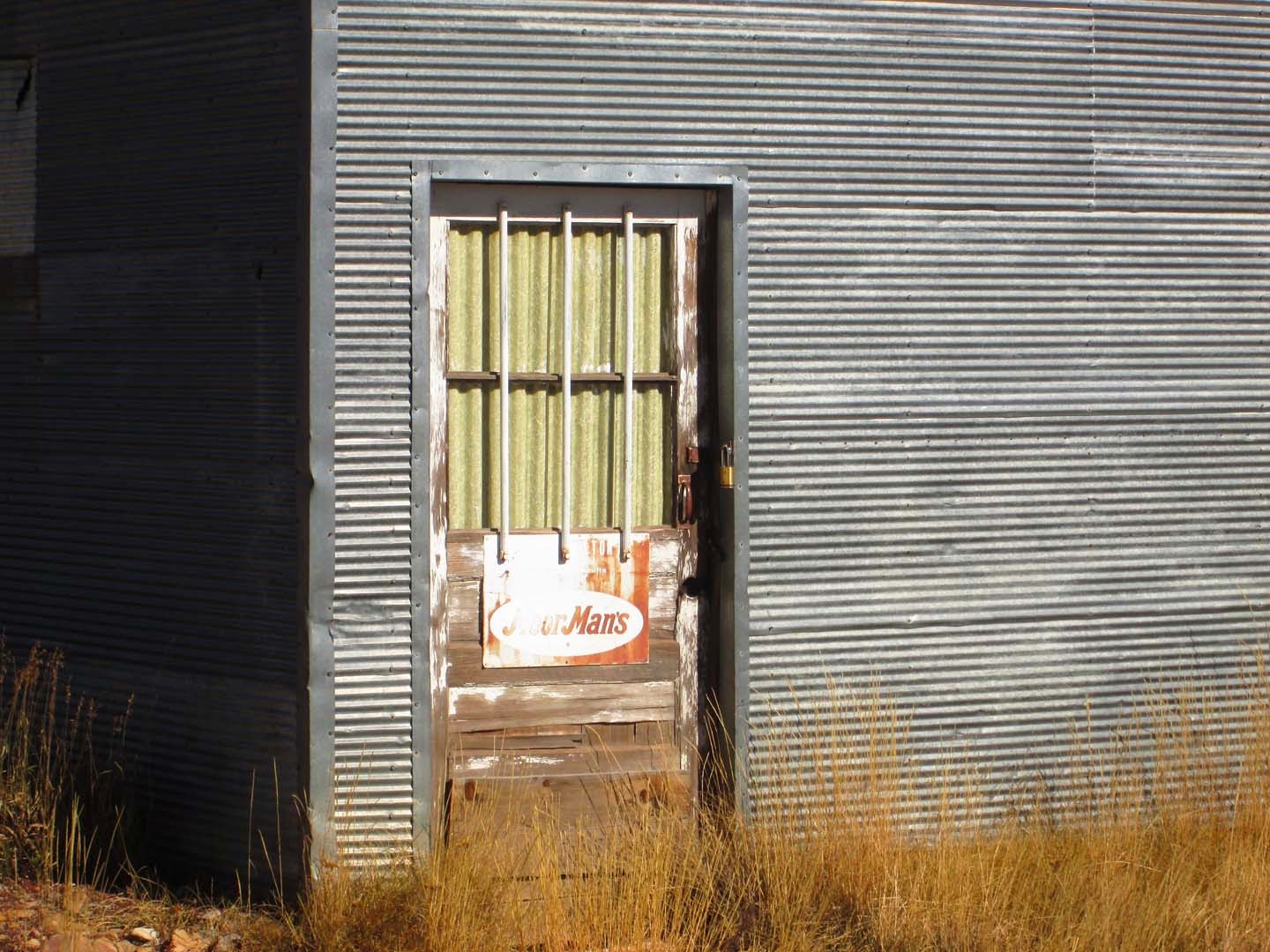
One of my first work trips this year was a very very early morning trip to Greeley.  Not my first, not my last, it turns out.  But on this trip, I saw some lovely buildings.  I made a quick stop to take a few pictures, but knowing I was going to the same school the very next day, I left early so I could stop and take the pictures in the morning light - the afternoon light did not give the same effect.  So here they are, in no particular order.


Tuesday, July 23, 2013

How to Behave When Visiting the Mountains

I'm writing this from a place of anger this evening, because of an event earlier in the day.  This list of mountain etiquette has come from this event and others. You know, we enjoy people coming to the mountains.  We appreciate your tourist dollars. Here's how you can prevent yourselves from becoming a hated stereotype of a mountain tourist.  Honestly, if you just follow these few things, you will find we are friendly and welcoming people up here. IF you do not. we're not.

1. Don't Act Like We're Stupid

I've lived in a mountain town since 1980 (with a several year stint in the Midwest) And  it was awfully amusing to us in the summer as teenagers, when we wore raggedy clothes and hid our shoes and sat on the steps of the Little Bear in Evergreen when the tourist bus came up from the city, pretending to be "them poor mountain waifs" as one woman called us.  The really amusing part? One of my cohorts in this venture had some of the richest parents in the area.  We'd laugh and then go back up to the arcade, having fully amused ourselves.

Well, I'm an adult now.  I lived in a mountain college town from 1984 to 1995. It's also a tourist town, popular in the summers, during hunting season, and especially winter, because a ski area is half an hour from town; you MUST pass through this town to get to the ski area.  It's a college town.  In the most educated county in the state of Colorado. Damn near every adult has a bachelor's degree, many have masters or higher. Even the ranchers have degrees.  And yet, people from out of town treated us as if we were the stupidest things on earth - all based on the fact that we lived there.  We CHOSE to live there. But we were stupid, because we lived in a mountain town.

The area I live in now - still a mountain town - is rife with published authors of all sorts; children's authors, fiction books, history books, even heavily researched scientific tomes on wind energy.  Newspaper men and women abound, both those who write for paper papers, and those who write for online news sources, including myself.   College degrees are pretty thick on the ground here.

We're not stupid. We have a clue. We purposefully chose not to live in the city, but thanks for telling us how we are "stuck" here.

2. This Is NOT Your Backyard

Seriously.  In fact, I have a feeling you would treat your back yard better.  The number of people I see on the highway tossing trash - or even worse, lit cigarette butts- out the window is sickening.  Do people not watch the news? Are they not aware of the number of fires this state has had this summer so far? We're not even to the end of July.  Your car has an ashtray - use it. Use a soda can. And when you stop for gas, throw your trash out in the gas station wastecans. Cause as stupid as we are, our gas stations DO have trash cans.

Several years ago now, husband and I were out for drive in the surrounding area, and we went through one of the state camp sites.  There, in a fire ring, was a fire still smoldering.  NO sign of anyone camping there.  Luckily, it was near the creek, we had a bowl in the back we used to give the dogs water, so we dipped several bowls full of water out of the creek, stirred it, dipped more water, and kept it up til that fire was all the way out.

You wouldn't go away and leave your back yard grill on, don't leave a fire burning in a campground or park, please.

And don't leave your trash about - the mountains are not a landfill.

3. Come Prepared.

While some clothing stores in the mountain towns would hate for me to tell you this, I will anyway. COME PREPARED. What do I mean?  Yeah, it's 95 in Denver, you're hot, so shorts and a tank top are a good thing.  But it's cooler up here, and after dark, it can often get downright cold up here. In fact, just last week, it SNOWED on some of the higher peaks. About five years ago, we went to Como for the fireworks, and we needed winter jackets and blankets.  High altitude - it's colder.

So come prepared.  Put a change of clothes in the car for colder weather. Jeans, sweatshirt, hoodie, socks, shoes. Please, bring extra shoes - appropriate shoes.  Stop trying to hike in flip flops, or even high heels. (Oh yes, I've seen this.) Sneakers are a great invention - I wear them a lot myself.  Bring them.

But if you don't come prepared, then don't whine and complain at us like we made the weather just to thwart you.  You'll note we'e dressed for the conditions of the day or evening.  And we're sorry if you're cold, but not our faults, and surely not our problem. Do not try to make it our problem.

4. Respect the Towns and Neighborhoods

This comes with codicils of Find Out the Local Laws, Don't Feed the Bedamned Wildlife, and Stay Off Private Property.

These are the ones sticking in my craw today.  I live in the longest county in the state; the laws that apply at the far end of the county down in the city apply to this end of the county as well, like leash laws.  However, we're in the unincorporated part of the county, so we also have our own set of rules.  So, if you are a visitor to our neighborhoods and towns - say you're renting a house for the summer, or are visiting family and friends, you still need to keep your dog on a leash when walking down our roads.

Why, you ask? But aren't we out in the country? Yes, you are. And in the country, lots of people have livestock.  I have chickens that free range, my neighbors do as well. Another neighbor has horses, and in the surrounding few miles from where I live, you will find chickens, horses, cows, goats, llamas, sheep, even a peacock. I don't think anyone near here has pigs, but it is totally possible.  If you let your dog run loose, a non country dog that does not know these animals, and that will succumb to his or her innate predatory nature, peoples chickens get killed, livestock and horses get run into barb wire fences and seriously injured - I've seen this happen.  This is thousands of dollars of potential damage I'm talking here. Keep your dog in check.

Conversely, in this part of the county - and the next county over - MY dogs can run freely on MY property as much as they or I like. And there is not a damn thing you can do about it as long as MY dog stays on MY land. DO NOT come walking through my neighborhood and scream at me and my dogs because they are loose and in my yard. DON'T tell me how you are going to call the cops on us, especially after I tell you that my dogs are allowed to be on my property, even if they are barking their fool heads off. And sure as hell do NOT brandish a rock at me or my dog; if you'd been just a couple miles up the road, you WOULD get shot for that kind of behavior. Oh, and NEVER threaten my dog that's clearly on a lead - If you're not on my land, then that dog can't get close to you.  If you are that afraid of dogs, don't have one.  And in the future, find somewhere else to walk - this is NOT the only road.

Yes, this one is a pet peeve of mine.It happens too often - to me, once a year is too often.

 As is cutting through my property without permission. Local kids who live here get away with that, because they KNOW whose property its cool to cut through, where the livestock is, where the dogs are, etc. They do not randomly go through someone's property.  Just because it looks like a forest or mountain meadow does NOT make it a state park.  Doing this can get you hurt - and who ends up being liable? The property owner - all because you were cocksure that you could go anywhere. WHY don't you do this?  Some livestock are NOT friendly - hell, a lot are not. You are in their territory, and they will protect it. And this time of year, they will also protect their young.  A land owner tends to know what he has on his land  - there are mines with sinkholes, there are wild animals, there may be traps - people can trap food on their own land up here in most places. There are a miriad ways for you to get hurt.  Sure, you could still easily get hurt in a state park, but then the liability is on you.  NOT us.

As for the wildlife - well, you hurt them, and in return, you can get hurt.  Around here, we have the cute fluffy bunnies, and the cute deer, and the elk who are not so cute.  You think a cow is serious about protecting her baby? NEVER cross an elk protecting her young. Or a bull elk in rut in the fall - you are seriously asking for trouble.  But that's minor.  You feed the animals, they lose the ability to forage for themselves. And when you stop feeding them, the get sick and die.  Rather simple.  BUT, that also brings the predators right down around us -and we have enough close enough already, thank you.  You end up putting our livestock, our pets, even our kids and ourselves at risk by feeding the wildlife.  No worries, they can and do find enough to eat by themselves, thank you.

We also have the NON cute wildlife - foxes, a local pack of coyotes, lynx, bobcats, mountain lions and bears.  And as pretty as you might find those animals to be, they are dangerous. Don't leave your food or trash outside - that attracts them. And if they come to the house you are guesting in, they are likely to come to my house just down the road as well.  The coyotes are close enough, living just up the hill from here, about a mile away.  They don't need to be drawn down even closer.

And I just remembered this one; easily forgotten this time of year with the heat, but respect private property and DON'T CUT DOWN OUR TREES!!  Our yards are not sanctioned Christmas tree or firewood areas - are you truly that lazy you cannot get the map from the Forest Service? It's ONLINE!!


You may think what I just wrote is mean, and you're entitled to your opinion.  But look at it from my point of view, which reflects the point of view of a LOT of my neighbors here and in small mountain towns across the state.  This is our HOME. We live here year round, no matter the season.  We choose to be here, even driving up to two hours one way to work out of Denver or Grand Junction or Colorado Springs or one of the ski areas just so we can live up here. We do not come through your suburban neighborhoods and throw our trash in your yard, or wander through it, cutting down your bushes and trees. We don't scream at your dog for existing.  We don't speak to you in condescending tones about how quaint it is to live in Westminster or Highlands Ranch or LoDo.

Please stop doing these things to us.

Thanks for reading my rant - we'll be back to your regularly scheduled every day stuff tomorrow.


Thursday, July 18, 2013

Squirrel Adventures: Car Edition

I have a van.  Over the past couple years, it has not been working properly.  So driving it has not always been an option.

Last spring - spring of 2012- there was a radiator leak, so we let it sit for a while.  When we opened the hood to replace it, the entire engine compartment was stuffed full of pinecones.  Everywhere. Tightly, and with skill.

The culprit?  The squirrel of doom.


She's a cute little thing, who spent last spring and summer yelling at the chickens for being in her yard.


Here she is, getting her yell on.

And she loves pincones. She spent a good part of the fall and winter sitting on the railing, chewing up pinecones. We had a pile of pincone bits in various places along the railing for the deck; if you cleaned them off, she took it as a challenge and went and refilled that spot.

But sometime mid winter, she disappeared.  We figured she'd finally gone to hibernate, or have babies (we'd seen her chasing about with about with a boy squirrel for a couple weeks in the summer.)  No more chattering screams at us.  In fact, we missed her this spring and summer. Until today.

After fixing the radiator, the car had other issues, and since I often drive several hours away for work, we decided not to risk it.  So my car sat from July of last year until July of this year, when we were able to get it fixed, thanks to my dad's assistance.

Of course, once again, there were pinecones under the hood. We cleaned most of them out; the repair shop washed out the rest.

And then we opened up the car to start actually using it. And in the third row of seats, we found more pinecones.  Stuffed under the seat, stuffed in the seat, under an empty box. We were baffled - how did she get in the car?  So I cleaned most of them out, took the car to vacuum it.  I figured this was done.

Until today.

I went out to fold down all the seats in the van so we could go out and get the plywood for the new chicken coop.  In vans like mine, there is a platform for the middle seats that opens up to a compartment the individual seats fold into.  Inside the compartment, we found this:


The other seat was folded in, and also had pinecones packed in around it.  So I opened the other side.


The underside of the seat has been torn up.  Luckily, the seat was otherwise intact. Here's the view looking through the storage space.


They were packed in so tight, I had to break them apart to get them out!  Here's the pile of pinecones after they were all cleaned out.


A little while later, one of the adolescent chickens started to run across the yard at high speed after something - it was our squirrel!  She'd come down to get one of the pinecones we'd so kindly unearthed for her!  Something has happened to her though - she tried to yell at the chicken, but her voice is very quiet and rather harsh.  Clearly, she got lucky.

Now, if we could only figure out HOW she got into the van to store all those pinecones!

So now, my van is in full working order and pinecone free, ready for my first day back to work tomorrow.


Sunday, July 14, 2013

Recipes I Don't Follow Very Well: Chicken Soup

Recipes are good.  Recipes help me get started with something new, provide a starting point.  But with the exception of a very few - like for jellies and some baked goods - I don't follow them.

I'm especially bad at following them when it comes to soups, stews, and meals I tend to make in bulk so there are lunches and leftovers.  Today, I mentioned I was making all kinds of soups and some chicken enchiladas - basically to get ahead for work season, when I'm often too tired to make a meal, and in the case of the potato soup, to use up the wrinkly potatoes before they go bad.

I really hate wrinkly potatoes.  I know they're still good inside, but... *shudder*.

So I said I would give up my recipes for the foods yesterday and today - such as they are.  I encourage people to use these as a starting place, and adapt them to their own tastes, much as I do.

Chicken Soup

I'm going to sound like an old recipe book, but it's what I do...

First, you take a whole chicken. I don't even bother pulling the "gut" parts out of the chicken unless they are in one of those stupid papery bags you cannot tear open easily - bah.

Take the whole chicken,  put it in a large stock pot, fill the pot with water and put it on the stove to boil.  After it boils, turn it down to a simmer - usually 3 or 4 on your stove dial - and walk away.  Seriously.  Let that hen cook and cook and cook.  If I mean for the soup to be eaten the same day, I'll only let it cook 2-3 hours.  But ideally, it needs to be cooked until its falling apart.  I've even been known to cook the chicken as much as 15-20 hours over three days, putting it in the fridge overnight.

As I was making it last night, I thought that you could cook the chicken in the crockpot with lots of fluids on the slowest setting you have.  Mine has a 10 hour setting, and when you take the chicken out, it falls right apart.  IMO, that's the goal.

So, after you cook the chicken until it is fully cooked, take it out of the pot and put it in a dish to cool.  If it is to the falling apart stage, take a slotted spoon and scoop all the rest out.

When the chicken is cool, start tearing it apart. Literally.  Pull the skin off and put it aside for your dogs or cats or chickens - they love that stuff.  I leave it out because I'm rather squicky about skin in my soup.   I tear the chicken apart by hand, into bite sized pieces, the pieces going back into the pot.  I prefer this method because I can get into all the small spaces and get the most meat off the bird as possible.  You can't do that by cutting it off with a knife.

If so inclined, give the chicken carcass to your chickens, if you have them, after the bones are completely cool.  The chickens love it, it gives them extra protein.  But do NOT give it to your dogs or cats - the bones break easily and have sharp edges, causing you a seriously expensive trip to the vet and your pet a great deal of pain and suffering.

OK - back to the soup.  You have a lovely pot of broth, you've thrown in the torn off meat.

Now, add a  medium sized chopped up onion.

Turn the pot back on again to medium heat.

Add spices - what I usually add is Thyme, Marjoram and Rosemary.  Sometimes I add an Italian Seasonings mix.  Depends on the flavor I want.    I basically stand over the pot and shake some in til it looks right to me.

I also tend to add some Tone's soup base - chicken, of course.  The same measuring method as above.

Cook it for another hour until you can smell the spices cooking in.

Add some chopped up carrots. Cook until the carrots are soft but not mushy.

And this is basically my recipe.  Sometimes I add a big bag of frozen mixed veggies.  Other times, I only add corn.  Sometimes, no corn either -but always carrots.  Don't ask me why.

Sometimes, I also cook up noodles and serve it with noodles - or rice. Anything from large egg noodles to these little thin noodles I found at the Mexican mart at the flea market.

I've even put sour cream into a pot of chicken soup, making it a creamy soup. It was pretty good!

NEVER freeze the noodles in the soup.They turn to mush when you thaw and reheat the soup.  Nasty.  You CAN freeze cooked noodles - cook them to al dente status, and put them fully drained into a zippie bag and into the freezer. Use within a couple of months, or they get freezer burn and are unhappy to eat.

Also, taste it along the way - only you know exactly how you want it to be, and tasting is the ONLY way to get it here.  If the liquid gets low, add more water. If it is not savory enough, add more spices a bit at a time, letting it cook for several minutes and then tasting it again.

The best soup is the one you take the time with.

Friday, July 12, 2013

Ghost Towns, Dirt Roads and Abandoned Mines - Part Two

Our next leg of the trip took us into Central City. And actually, our driving about the back roads took us right through the middle of Central City four different times.  By time three, husband was saying "I missed Main Street, so glad we could go on it again!"

Yep - four times.  But some great pictures along the way.  So once again, PICTURES!


This mine used to be open to the public to come pay a fee and try their hand at mining.  Since we knew it was getting late, I did not stop to take pictures of the original sign and hotel - also still there.  Next trip.


A working mine above Central City.


There's actually a post card in the collection taken from this POV of Central City. Will be fun to compare pictures.


Ore car.


More of Central City - the pretty side. None of the casinos and garbage of the new buildings.  Just the town.


Nice to see this sign repainted.


Town from a different hill - check out that mine and tank!


Just a mile away is another ghost town - Nevadaville.  Several buildings still intact, but nothing like it was 30 years ago.


I took pictures of these mines the first time in the summer of 1983, when I worked as the photographer/darkroom person for a long defunct newspaper, The Front Range Journal, out of Idaho Springs.  We did a large supplement on Central City - back when it was a thriving tourist town. (Yes, some will argue that it is again, but when I drive through and see all the empty storefronts in town, and the casinos even seem mostly empty, I don't call that thriving.)  The top mine buildings have not changed in years, and the lower picture shows it mainly intact - the pulley tower is missing now. 


Another place I'd not seen in 30 years.  While it still looks good from this angle, as you go around the curve it becomes apparent that no one has lived there in quite some time. and that the wall is pulling away from the house on the sun porch.


One of several  "open" mines you can see from the road.  No, I'm not telling you where they are - sorry!

For those who remember Central City before the casinos moved in, you will remember this building as being outside of town. Now, it is surrounded by a rather large, multi story condo complex, looking much like the ski towns.  This building was very much intact 30 years ago.  You can see the mine entrance in the back, behind fencing.  In the front of the building, you can see the old boiler.


This building is across the street from the last one.

One of the things about literally driving around and around Central City is that you will drive past the cemeteries more than once.  There are nine cemeteries in and near Central City; some are merged so they seem like only one.  So, of course, we went past the cemeteries a few times. This picture was earlier in the evening:

And then, at sunset, two of the others:


But it still wasn't dark, so we took yet another road, and several miles later, we found another town.  This town is on none of the maps I have - this will be added to the library list to look up.  And while it looked much darker, my camera proved up again, adjusting itself to take excellent pictures.  In actuality, it was almost 9 pm by this point.


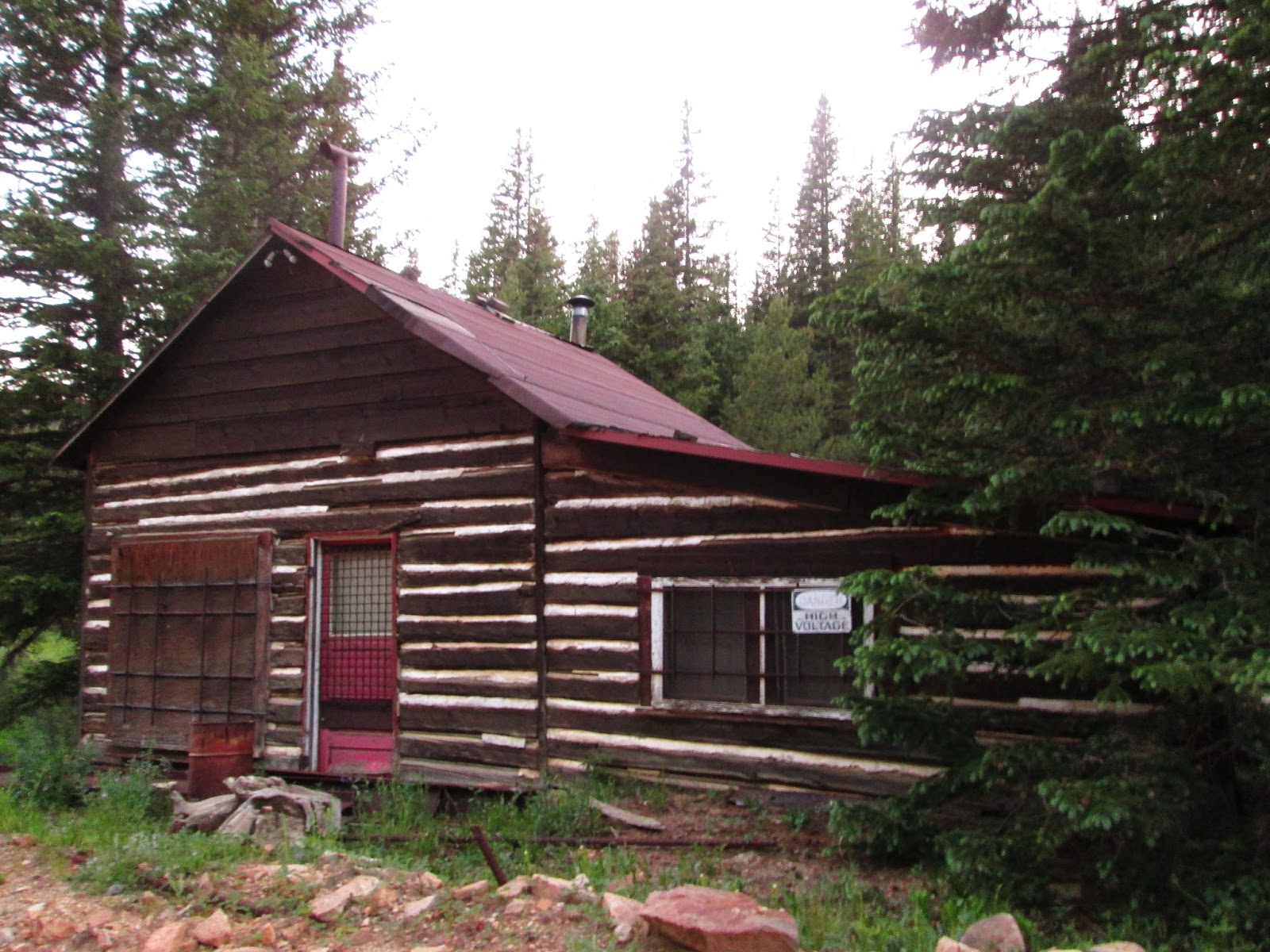
It was a rather small town; I counted only 8-9 buildings total - most were clearly houses. One may have been school, and this building below and the one next to it look to have been the general store and implement building, though much more likely to be selling building and mining equipment - this is definitely not a farming ton.


See what I mean about how my camera proved up? This is an unretouched photo!


The road looking up into the unnamed town.


Art first look, it looked like a rail stop, until you look across the street at this platform base - but then, it could still be a railroad depot - it is narrow enough.


But wait, what's in the building foundations? Another mine entrance.  And down a short drive on the side of the road under the platform base - another foundation, and some 20-30 foot long iron pipes laying on the ground.  All right near the creek.


By this point, it is finally dark. dark enough that I have to use headlights, and we pass by Central City once more on our way out and back over to home.

Many miles driven, but not so far from home after all.